
Car Ownership in India: Costs, Maintenance & Smart Buying Guide (2026)
How Much Does It Really Cost to Own a Car in India? Full Guide
Namaste, fellow automotive enthusiasts! Himanshu Singh here, and today we’re diving deep into a topic close to every Indian’s heart – car ownership. In a nation where roads range from buttery smooth national highways to challenging urban labyrinths and everything in between, owning a car is more than just a convenience; it’s a statement, a freedom, and sometimes, a test of patience. The Indian car market is vibrant, diverse, and constantly evolving, mirroring the aspirations of its people. From the practicalities of a budget hatchback to the sheer exhilaration of a Porsche 911 Turbo S or the unparalleled luxury of a Rolls-Royce Phantom, there’s a vehicle for every dream and every need.
But what does it truly mean to navigate the landscape of car ownership in India? It’s a journey that extends far beyond the showroom floor. It encompasses everything from making that crucial purchasing decision to understanding complex regulatory frameworks, mastering maintenance, and even embracing the unique cultural quirks of Indian motoring. This isn’t just a simple checklist; this is your masterclass – a holistic, authoritative, and in-depth guide specifically tailored for the discerning Indian automotive enthusiast. We’re here to equip you with the knowledge to not just own a car, but to truly thrive on local roads.
Phase 1: The Informed Purchase – More Than Just a Test Drive
The decision to buy a car in India is often a significant financial and emotional investment. It’s crucial to approach it with thorough research and a clear understanding of your needs.
1. Defining Your Needs & Budget:
Before stepping into a dealership, you need clarity on usage patterns, total cost of ownership (TCO), and long-term practicality—not just the ex-showroom price.
A. Usage-Based Car Type Selection (India Context)
| Use Case | Ideal Segment | Why |
| Daily city commute (≤20 km/day) | Hatchback / Compact SUV | Easy maneuverability, better mileage in traffic |
| Mixed usage (city + highway) | Sedan / Mid-size SUV | Balance of comfort, space, and efficiency |
| Frequent highway drives | Diesel SUV / Sedan | Better torque, fuel efficiency at high speeds |
| Large family (5–7 members) | 7-seater SUV / MPV | Space + practicality |
| Enthusiast / premium buyer | Performance sedan / luxury car | Driving experience over cost efficiency |
B. Fuel Type Decision Matrix (Critical for India)
Your fuel choice should be driven primarily by monthly running (km) and cost per km, not just upfront price.
| Criteria | Petrol | Diesel | CNG | Electric (EV) |
| Monthly running < 800 km | ✅ Best choice | ❌ Not economica | ⚠️ | ⚠️ |
| Monthly running 800–1500 km | ✅ | ✅ Balanced | ✅ | ⚠️ |
| Monthly running > 1500 km | ❌ Expensive | ✅ Best | ✅ Cheapest | ✅ Best long-term |
| Running cost (₹/km) | ₹7–9 | ₹5–7 | ₹3–5 | ₹1–2 |
| Initial cost | Lower | Higher | Moderate | Highest |
| Best for | City users | Highway users | Budget users | Urban + future-ready |
Insight:
If your running is under ~10,000 km/year, diesel rarely justifies its higher upfront cost.
C. Real Cost of Ownership (India Benchmarks)
Most buyers underestimate ongoing costs. Here’s a realistic annual breakdown:
| Cost Component | Hatchback (₹) | Sedan (₹) | SUV (₹) |
| Fuel (10,000 km/year) | 70K – 90K | 80K – 1L | 1L – 1.4L |
| Service & maintenance | 5K – 8K | 6K – 12K | 8K – 18K |
| Insurance (annual) | 15K – 25K | 20K – 35K | 30K – 60K |
| Misc (tyres, cleaning, etc.) | 5K – 10K | 8K – 15K | 10K – 20K |
Rule of thumb:
Expect 10–15% of your car’s value annually as ownership cost.
D. Budget Planning Rule (Highly Practical)
Use this simple financial filter:
- Car price ≤ 50% of your annual salary
- EMI ≤ 10–15% of monthly income
- Keep 6 months EMI buffer for financial safety
Example:
If your monthly income is ₹1 lakh → EMI should not exceed ₹10K–₹15K.
E. EV vs Petrol: Quick Reality Check (India 2026)
| Factor | Petrol | EV |
| Upfront cost | Lower | Higher |
| Running cost | High | Very low |
| Best for | Low usage | High daily usage |
| Infrastructure | Strong | Improving (metro-focused) |
Insight:
EVs make financial sense only if:
- Daily usage ≥ 30–40 km
- You have home charging access.
Expert Insight (What Most Buyers Get Wrong)
- Overestimating mileage → leads to wrong fuel choice
- Ignoring resale value → impacts long-term cost
- Buying bigger cars than needed → higher maintenance + lower usability in cities
- Not accounting for traffic conditions → real mileage drops 20–40% in metros.
2. Research & Reviews:
This is where Carverse India shines. Don’t rely solely on manufacturer brochures. Dive into expert reviews, comparative analyses, and long-term ownership experiences. Understand the car’s build quality, safety ratings (like those for the Maruti VICTORIS), and suitability for Indian road conditions. Pay attention to ground clearance, suspension setup, and availability of service centres in your region.
3. The Dealership Experience:
Negotiate firmly. Don’t hesitate to ask for discounts, free accessories, or extended warranties. Understand the financing options available and read the fine print. And crucially, always take a thorough test drive – replicating your typical driving conditions as much as possible.
Phase 2: Navigating the Regulatory Labyrinth
Once you’ve made your purchase, the administrative journey begins.
1. Registration & Road Tax:
Your dealer will typically handle the initial registration, but it’s vital to verify all documents, including the Registration Certificate (RC), are in order and match your vehicle details. Road tax varies by state and vehicle type.
2. Motor Insurance:
Mandatory by law, insurance is your safety net. Choose between Third-Party Liability (basic, legally required) and Comprehensive (covers third-party, own damage, and theft). Compare policies online and understand exclusions, claim procedures, and cashless garage networks.
3. Pollution Under Control (PUC) Certificate:
A mandatory periodic check to ensure your vehicle’s emissions are within prescribed limits. Keep it updated to avoid penalties.
4. FASTag:
Essential for seamless toll payments across national highways, saving time and fuel.
Phase 3: The Art of Driving in India – Skills & Awareness
Indian roads demand a unique blend of patience, assertiveness, and defensive driving skills.
1. Defensive Driving Techniques:
Anticipate, don’t react. Expect the unexpected – pedestrians, stray animals, sudden lane changes, and two-wheelers. Maintain adequate following distance and be visible.
2. Mastering Traffic Dynamics:
Understand the unspoken rules of Indian traffic. Use your horn judiciously for communication, not aggression. Lane discipline can be fluid, so always be aware of your surroundings.
3. Parking Challenges:
In crowded urban centres, parking is an art form. Utilise parking apps, be mindful of “no parking” zones, and consider installing a parking assist camera if your car doesn’t have one.
Phase 4: Lifelong Care – Maintenance & Detailing
Owning a car in India is not just about driving—it’s about consistent upkeep under harsh conditions: dust, heat, potholes, monsoons, and traffic congestion. A well-maintained car delivers better performance, higher resale value, and lower long-term costs.
1. Service Strategy: Authorised vs Local Garage
| Stage of Ownership | Recommended Option | Why |
| 0–3 years (Warranty period) | Authorised Service Centre | Maintains warranty, ensures OEM parts |
| Post 3 years | Trusted Local Garage | 20–40% lower cost, flexible servicing |
| Premium / luxury cars | Authorised centre OR specialized local garage. | Required for complex systems |
Insight:
Skipping authorised service during warranty can void claims worth ₹50K–₹2L+, especially for engine or electronics.
2. Real Annual Maintenance Cost (India Benchmarks)
| Car Type | Annual Service Cost | Major Service (every 3–4 yrs) |
| Hatchback | ₹5K – ₹8K | ₹12K – ₹20K |
| Sedan | ₹6K – ₹12K | ₹15K – ₹25K |
| SUV | ₹8K – ₹18K | ₹20K – ₹40K |
| Luxury cars | ₹25K – ₹80K+ | ₹50K – ₹1.5L+ |
Rule:
Budget 1–1.5% of car value annually for maintenance alone (excluding fuel & insurance).
3. Tyre & Suspension Care (Critical for Indian Roads)
Indian roads accelerate tyre wear due to:
- Potholes
- Speed breakers
- Uneven surfaces
Best Practices:
- Check tyre pressure every 2–3 weeks
- Wheel alignment every 5,000–7,000 km
- Replace tyres every 35,000–50,000 km
Cost benchmarks:
- Hatchback tyres: ₹3K–₹6K per tyre
- SUV tyres: ₹6K–₹15K per tyre
Insight:
Incorrect tyre pressure can reduce mileage by 5–10% and increase wear significantly.
4. Monsoon & Seasonal Maintenance Checklist
Indian climate requires seasonal interventions, especially during monsoons.
Pre-Monsoon Checklist:
- Brake inspection (water reduces efficiency)
- Wiper replacement (₹500–₹1500)
- Battery health check
- Underbody anti-rust coating (recommended in coastal / heavy rain areas)
Summer Impact:
- AC servicing (₹1.5K–₹3K)
- Coolant level check
- Tyre pressure fluctuations due to heat
Insight:
Water ingress and electrical faults spike during monsoons—preventive checks save ₹10K–₹50K repairs.
5. Detailing: Cost vs Value (What Actually Matters)
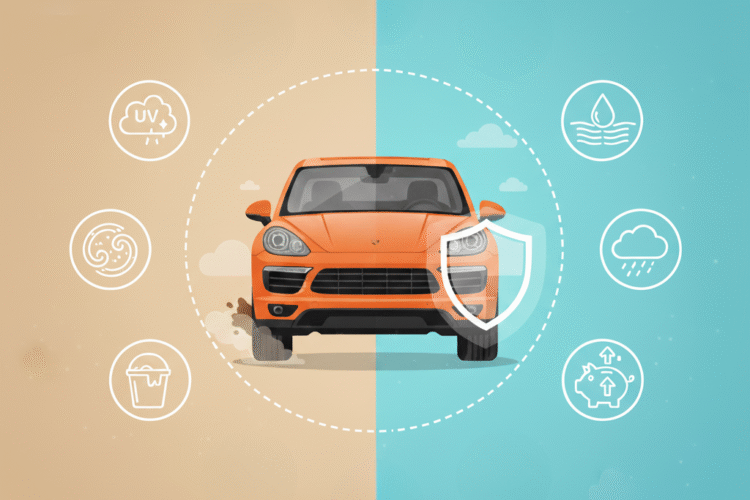
Car detailing in India is often misunderstood. It’s not just about shine—it directly impacts paint life and resale value. Refer to our guide on How Often You Should Detail Your Car in India for seasonal and DIY tips.
| Detailing Type | Frequency | Cost (₹) | Value |
| Basic wash | Weekly | ₹300–₹800 | Prevents dirt buildup |
| Interior deep cleaning | 6 months | ₹2K–₹5K | Hygiene + resale |
| Ceramic coating | 2–5 years | ₹15K–₹40K | Long-term protection |
Insight:
In dusty Indian cities, skipping regular cleaning can degrade paint quality within 2–3 years.
6. Battery & Electricals (High Failure Zone in India)
- Battery life: 3–5 years
- Replacement cost: ₹4K–₹10K (standard cars)
Common issues:
- Battery drain due to:
- Dashcams
- Aftermarket accessories
- Infrequent usage
Tip:
If the car sits idle >5 days regularly → expect faster battery degradation.
7. Common India-Specific Car Problems
| Problem | Cause | Prevention |
| Underbody damage | Potholes, bad roads | Drive cautiously, consider skid plates |
| Clutch wear (manual cars) | Traffic driving | Avoid half-clutch usage |
| Mileage drop | Traffic + AC usage | Regular servicing, correct tyre pressure |
| Brake wear | Stop-go traffic | Periodic inspection |
8. Maintenance vs Resale Value (Critical Insight)
A well-maintained car can fetch:
- 10–20% higher resale value
Buyers in India strongly prefer:
- Service history records
- Clean interiors
- Scratch-free exterior
Insight:
Skipping ₹10K/year in maintenance can cost you ₹50K–₹1L in resale loss
Phase 5: Upgrades, Customisations & Future Trends
The journey doesn’t end with pristine maintenance. Many enthusiasts enjoy personalising their ride or keeping an eye on future innovations.
1. Aftermarket Accessories:
From practical dashcams and upgraded infotainment systems to aesthetic enhancements, the aftermarket in India is vast. Always choose quality products and professional installation to avoid warranty issues or safety hazards.
2. Performance & Aesthetic Upgrades:
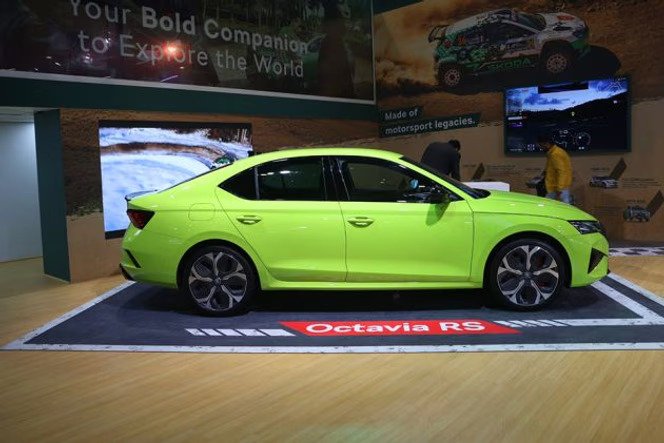
For those who crave more, performance chips, exhaust upgrades, or body kits can transform a vehicle – just ensure they comply with local regulations. Many car enthusiasts follow global trends, even for iconic models like the Nissan Z Heritage Edition or the upcoming Skoda Octavia RS.
3. Embracing the Future: EVs & Autonomous Tech:
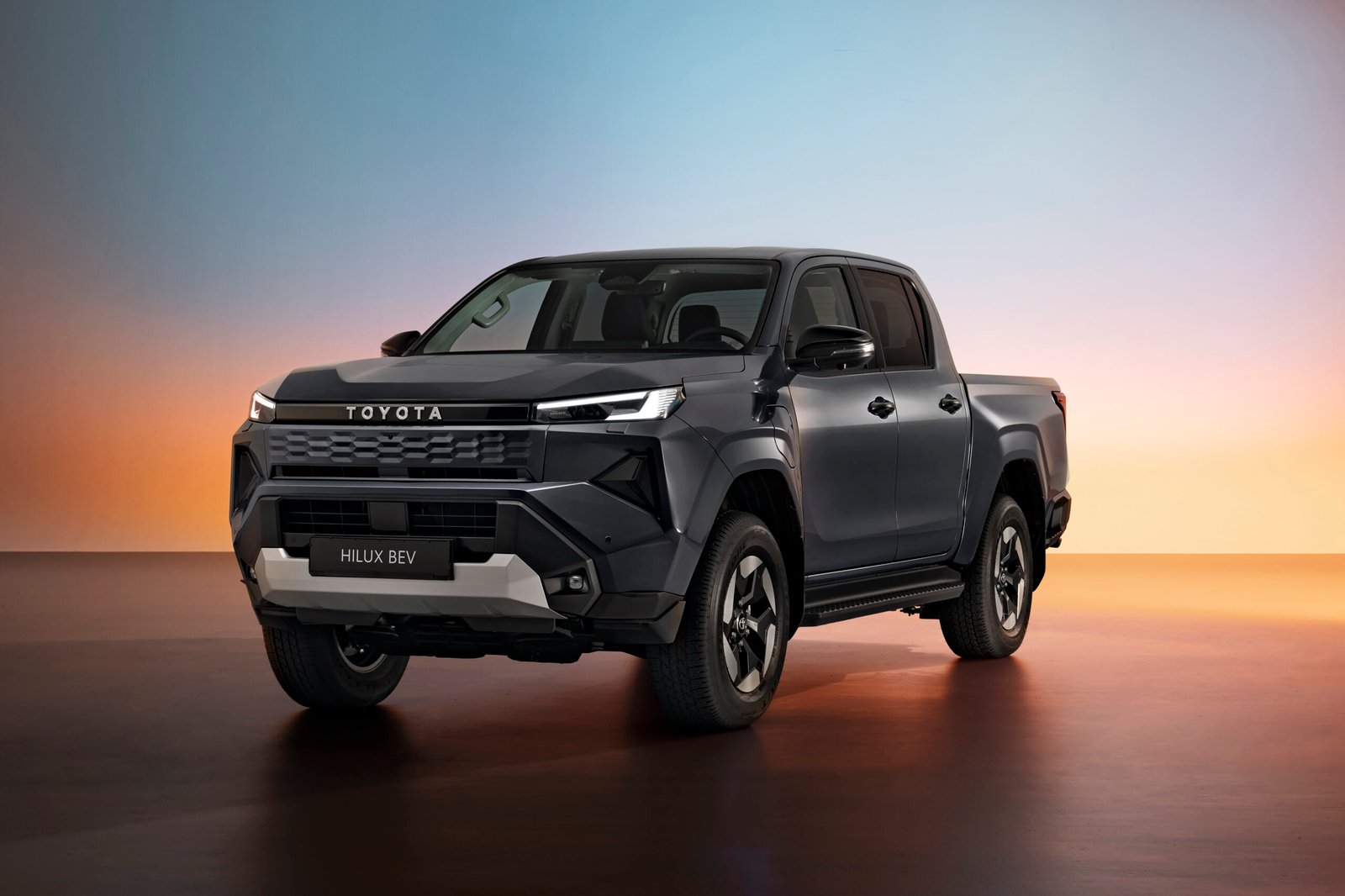
India is rapidly moving towards electrification. Understanding EV infrastructure, battery technology, and government incentives is crucial. Autonomous driving, while nascent, is also on the horizon.
Phase 6: The Community & Culture of Indian Motoring
Car ownership in India is also about connection. It’s about road trips, car meets, and sharing experiences.
1. Online Forums & Clubs:
Join local and national car clubs or online communities. These are invaluable resources for advice, troubleshooting, and connecting with like-minded individuals.
2. Road Trips & Travel:
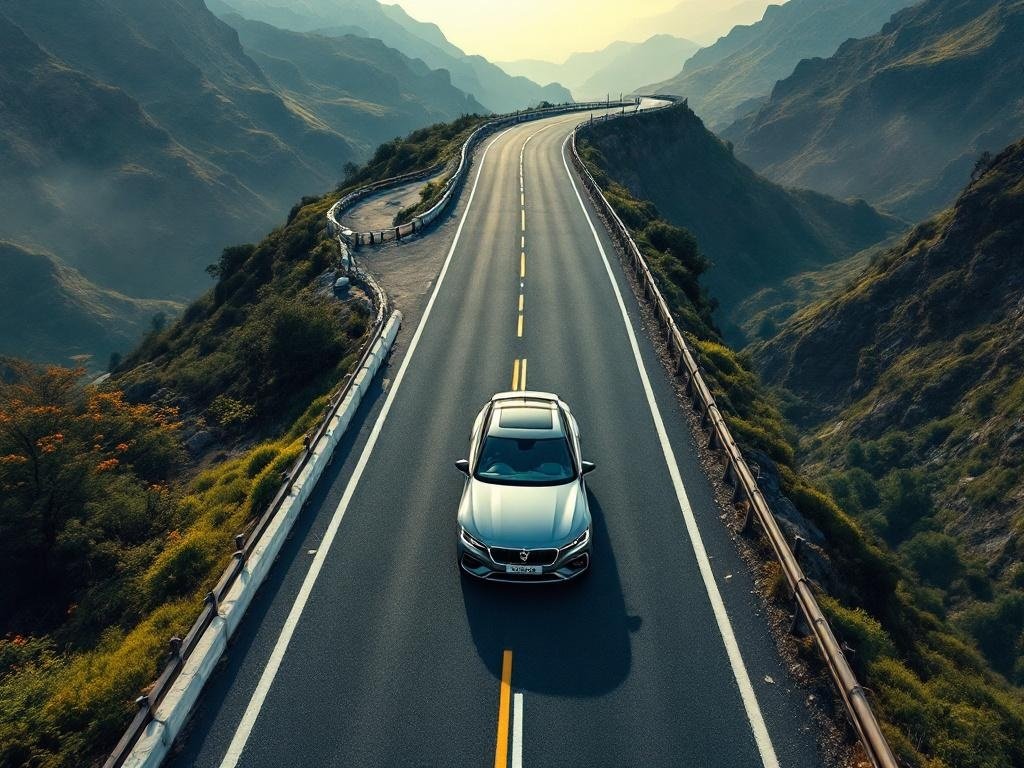
Embark on planned road trips. India offers some of the most scenic and challenging drives globally. Equip yourself with essential emergency tools and a thorough understanding of your vehicle’s capabilities.
Conclusion: Your Journey, Elevated
Car ownership in India is a dynamic and rewarding experience. It’s a blend of practicality and passion, regulation and freedom. By approaching it with knowledge, foresight, and a touch of the enthusiast’s spirit, you can navigate every turn with confidence. At Carverse India, we believe in empowering you with the most sophisticated, up-to-date, and culturally relevant content to make every kilometer count. This guide serves as your foundational compass. Stay tuned to Carverse India for ongoing expert reviews, deep dives, and the latest news that matters to you – the discerning Indian automotive enthusiast. Drive safe, drive smart, and enjoy the journey!
Frequently Asked Questions (FAQs) on Car Ownership in India
1. Is diesel still worth buying in India in 2026?
Diesel cars make sense only if your running is >1,200–1,500 km/month. They offer better fuel efficiency and torque for highways, but come with:
- Higher upfront cost (₹1L–₹1.5L more than petrol)
- Higher maintenance in the long run
For city users with low running, petrol or hybrid is more practical.
2. What is the real monthly cost of owning a car in India?
A realistic estimate (for a ₹8–12 lakh car):
- Fuel: ₹6K–₹10K
- Insurance: ₹1.5K–₹3K
- Maintenance: ₹1K–₹2K
- Misc (parking, cleaning, tolls): ₹1K–₹3K
Total: ₹10K–₹18K/month
3. How much salary is needed to afford a car in India?
Use this benchmark:
- Car price ≤ 50% of annual salary
- EMI ≤ 10–15% of monthly income
Example:
₹12 lakh car → Recommended salary: ₹20–25 lakh annually
4. Petrol vs EV: which is cheaper long-term in India?
| Factor | Petrol | EV |
| Running cost | High (₹7–9/km) | Very low (₹1–2/km) |
| Upfront cost | Lower | Higher |
| Best for | Low usage | High daily usage |
EVs are cheaper only if:
- Daily running ≥ 30–40 km
- Home charging is available
5. How often should I service my car in India?
- Every 6 months or 10,000 km (whichever comes first)
- Earlier if:
- Driving in heavy traffic daily
- Frequent short trips
- Extreme weather exposure
6. What are the most overlooked costs of car ownership?
Most buyers ignore:
- Insurance renewal hikes after year 1
- Tyre replacement (₹15K–₹40K every few years)
- Battery replacement (₹5K–₹10K)
- Depreciation (10–15% annually)
7. Does regular servicing really improve resale value?
Yes. A well-maintained car with service records can fetch:
- 10–20% higher resale value
Buyers prioritize:
- Clean interiors
- No major dents/scratches
- Authorised service history

Himanshu Singh is a dedicated car enthusiast with a keen eye for automotive design and a deep appreciation for engineering. His passion spans from classic muscle cars to the latest supercars.