
India’s High-End Car Imports: Navigating Duties, Performance, and Exclusivity
Beyond the Price Tag: Understanding Luxury Car Imports in India
Greetings, discerning automotive enthusiasts. I’m Himanshu Singh, and today, we’re delving into a topic that stirs passion and presents unique challenges: the world of luxury vehicle imports in India. While much has been written about market growth and the potential impact of the India-EU FTA on pricing – and indeed, these are vital economic considerations – my aim today is to move beyond the mere financial forecasts. We’re going to explore the nuanced, in-depth reality for the true connoisseur. This isn’t just about price tags; it’s about the journey, the logistics, the legalities, and ultimately, the unparalleled prestige of bringing these automotive marvels to our shores.
The Indian Landscape for Ultra-Luxury Automotives: More Than Just a Price
India’s burgeoning affluent class and a significant segment of globally aware individuals view luxury cars not merely as conveyances, but as extensions of their identity, statements of achievement, and objects of profound passion. This demographic demands access to the finest vehicles the world has to offer, from the latest iterations of performance machines to the most exclusive bespoke creations. However, translating this global aspiration into an Indian reality is a complex dance involving high duties, intricate logistics, and a precise understanding of regulations.
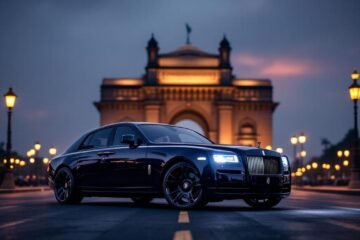
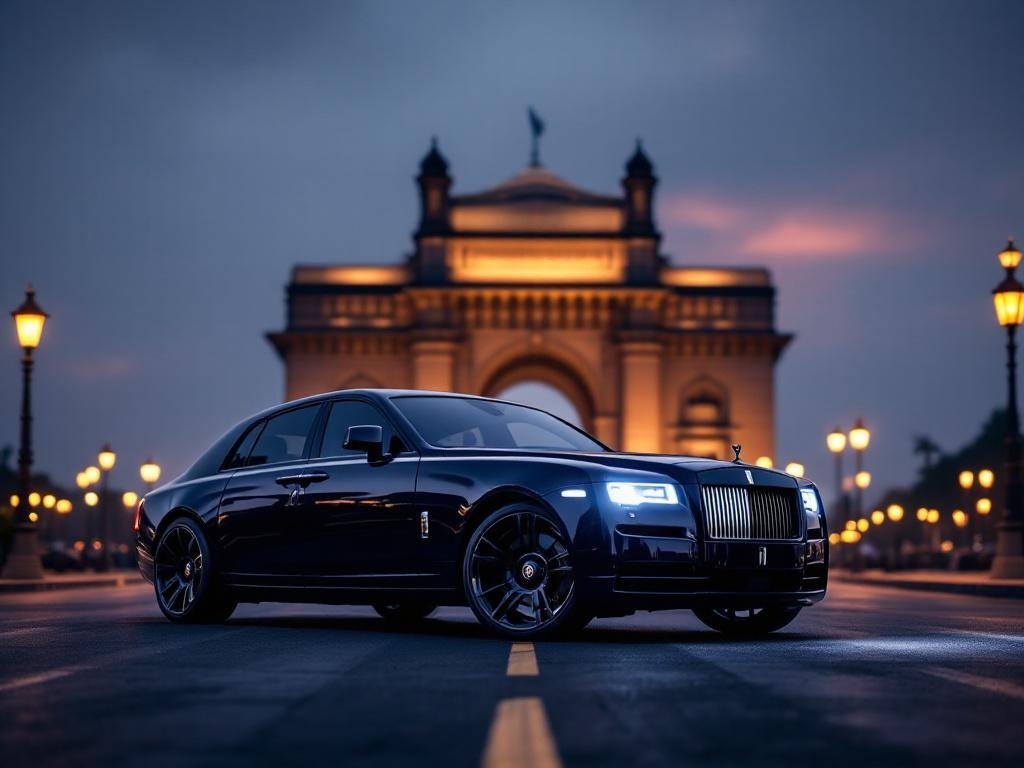
The conversation often begins with duties. As of now, India imposes substantial customs duties on imported completely built units (CBUs), which can range from 60% to 100% depending on engine size and CIF (Cost, Insurance, Freight) value. This formidable tariff structure dramatically inflates the final price, pushing ultra-luxury vehicles into an even more rarefied segment. While proposed Free Trade Agreements (FTAs), such as the potential India-EU FTA, aim to reduce these tariffs, the actual implications are typically gradual and subject to specific agreements on origin and component localization. For the immediate future, owning a Ferrari, a bespoke Rolls-Royce – perhaps even a Rolls-Royce Cullinan Cosmos Edition: A One-of-One Tribute to the Universe – or a high-performance Porsche in India means navigating a significant financial gateway.
CBU Imports in India: Official vs Private Pathways
It is important to distinguish between two primary routes of importing completely built units (CBUs) into India.
While global manufacturers such as Mercedes-Benz, Porsche, and Lamborghini officially import vehicles into India as CBUs for retail sale, a parallel ecosystem exists where high-net-worth individuals directly import vehicles—often rare, customized, or not officially available in the Indian market.
The latter route involves significantly greater complexity, including homologation requirements, independent logistics management, and limited after-sales support. However, it offers unmatched exclusivity and access to vehicles beyond standard dealership allocations.
The Most Imported Luxury Cars in India: Demand vs Landing Cost Reality
While exclusivity defines the luxury import market, certain models consistently dominate India’s import landscape due to their global appeal, brand prestige, and performance benchmarks. However, what truly fascinates enthusiasts is the dramatic price difference between international markets and India.
Let’s break down some of the most imported luxury and performance cars in India and how their costs escalate post-import.
| Model | Price Abroad | Price in India |
| Lamborghini Urus | ₹3.5 – ₹4.2 Crore | ₹4.5 – ₹5.5 Crore |
| Rolls-Royce Cullinan | ₹5 – ₹6 Crore | ₹8 – ₹10+ Crore (especially for bespoke builds) |
| Ferrari SF90 Stradale / F8 Tributo | ₹4 – ₹5 Crore | ₹7 – ₹9 Crore |
| Porsche 911 (GT3 / Turbo S) | ₹1.5 – ₹2.5 Crore | ₹3.5 – ₹4.5 Crore |
| Mercedes-Benz G-Class (G63 AMG / Brabus Kits) | ₹1.5 – ₹2 Crore | ₹3 – ₹5+ Crore (especially modified versions) |
| Bentley Bentayga / Flying Spur | ₹3 – ₹4 Crore | ₹5 – ₹7 Crore |
| Range Rover SV / Autobiography (High-Spec Imports) | ₹2 – ₹3 Crore | ₹4 – ₹5 Crore |
Why Prices Double: The Real Cost Breakdown
The steep jump in pricing isn’t arbitrary—it’s layered:
- Customs Duty: 60%–100% of CIF value
- GST + Compensation Cess: Up to 28% + cess
- Freight & Insurance: ₹10–50 lakhs depending on shipping mode
- Handling & Clearance Costs: ₹5–15 lakhs
- Registration & Road Tax: 10%–20% of vehicle value
Result: A car costing ₹3 Crore abroad can realistically land at ₹6–7 Crore in India.
Emerging Trend: Rise of Ultra-Rare & Limited Imports
Beyond mainstream luxury imports, India is witnessing a rise in:
- Limited-edition hypercars
- One-off bespoke Rolls-Royce builds
- Track-focused machines (GT3 RS, McLaren variants)
This shift signals a maturing luxury market where exclusivity outweighs cost sensitivity.
Beyond Tariffs: The Logistical Labyrinth of Performance and Exclusivity
Importing an ultra-luxury or high-performance vehicle into India isn’t as straightforward as placing an order. It’s a logistical ballet. Consider the journey: securing allocation for a limited-production model, meticulous shipping (often via air freight for expediency and safety), and then the labyrinthine process of customs clearance. Documentation must be impeccable, and any deviation can result in protracted delays and penalties.
For bespoke vehicles, the complexity intensifies. Many discerning buyers opt for extensive customization, transforming their vision into automotive reality. This can involve materials, paint, interior trims, and performance enhancements. Each customization, meticulously ordered from the factory, adds to the manufacturing lead time and then must be accurately declared and valued for import purposes. After all, when you’re investing in something as unique as a BRABUS G-Wagon or a most powerful Porsche 911, every detail matters.
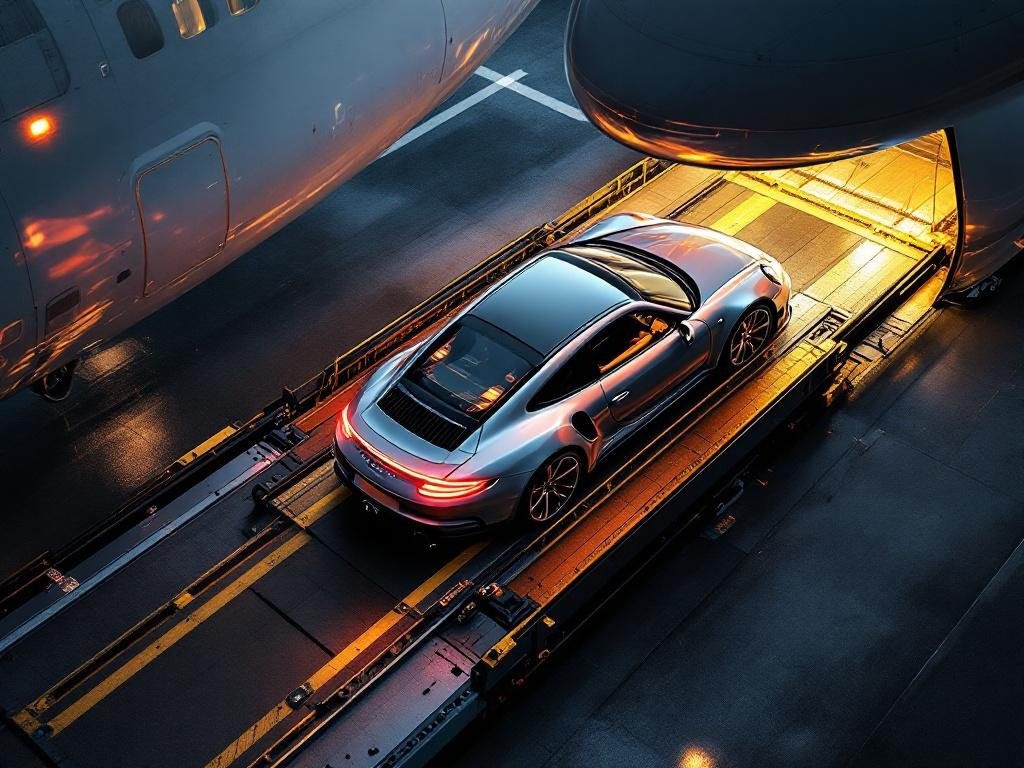
The journey doesn’t end once the car clears customs. Transportation within India to the owner’s city often requires specialized enclosed carriers to protect these high-value assets from road debris, weather, and theft – a crucial step often overlooked when discussing the ‘cost’ of ownership. This careful handling underscores the vehicle’s extreme value and the owner’s expectation of absolute perfection upon delivery.
The Aftermarket Ecosystem: Niche Service for Niche Machines
A critical aspect for owners of luxury vehicle imports India is the after-sales service. Unlike mass-market vehicles, these machines demand specialized expertise, highly trained technicians, and access to genuine parts. Global brands operating in India typically establish authorized service centers in major metropolitan areas equipped to handle their high-end models. However, for genuinely rare or custom-built vehicles, the service network might be sparse.
This often means longer waiting times for parts, technical diagnoses that might require remote assistance from international headquarters, and even flying in specialized technicians for complex repairs. For a performance machine like a new Porsche 911 GT3 R and 911 Cup Cars or a custom Ferrari, neglecting regular, expert maintenance is simply not an option. Owners understand that maintaining these vehicles at peak performance and preserving their exclusivity requires a commitment that extends far beyond the initial purchase price. This commitment often includes understanding how often you should detail your car in India to maintain its pristine condition, especially given our diverse climate.
Legal & Regulatory Headwinds: A Constant Evolution
The legal and regulatory environment for vehicle imports in India is dynamic. Regulations pertaining to homologation (the process of certifying that a vehicle meets local safety and emission standards), temporary import permits, and re-export rules for specific cases (like carnet de passage for foreign-registered vehicles) are continually evolving. Enthusiasts and importers must stay abreast of these changes to avoid costly pitfalls.
For instance, modifications and aftermarket performance parts, while common globally, can raise questions during homologation or re-registration if not in compliance with Indian standards. The enforcement of emission norms, safety regulations, and even specific vehicle dimensions can impact which models can be legally registered and operated on Indian roads.
The Prestige and Practicality: Why India Embraces These Imports
Despite the significant hurdles – the duties, the logistics, the specialized service requirements, and the regulatory complexities – the allure of luxury vehicle imports in India remains undiminished. For some, it’s the incomparable driving experience of a performance icon; for others, it’s the handcrafted luxury and unique statement of a bespoke sedan.
It’s about having access to cutting-edge automotive technology and design before it trickles down to the mainstream. It’s about being part of an exclusive club, where discussions might revolve around the latest in F1 technology, bespoke interior options, or direct comparisons with global launch models.
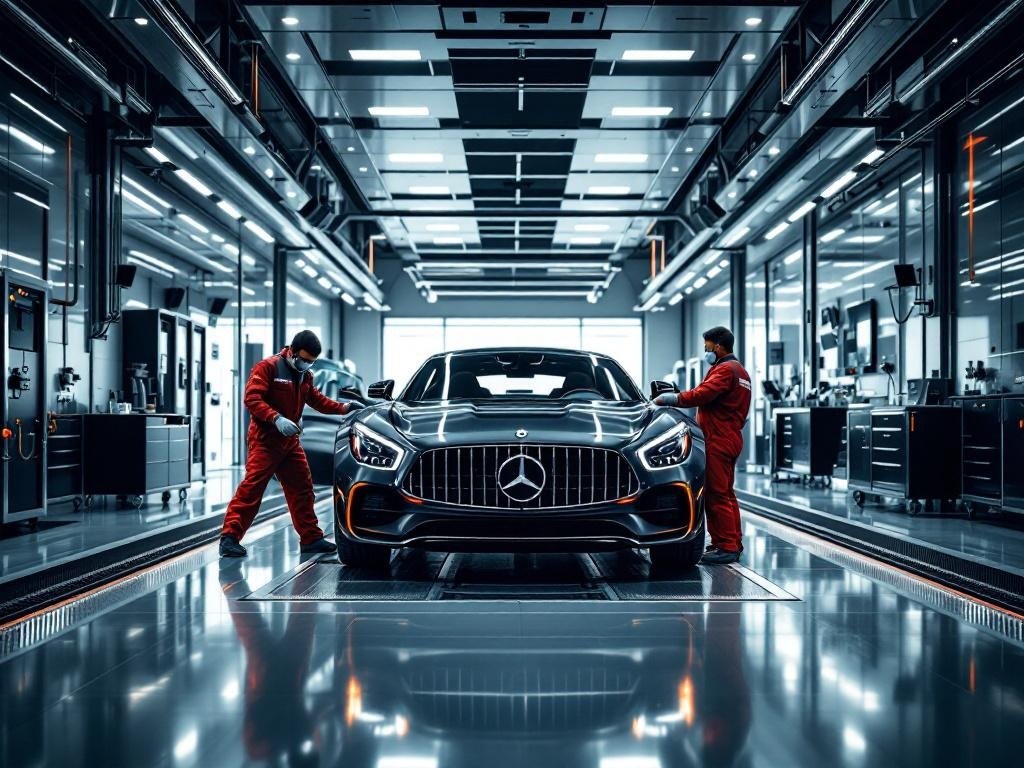
The ownership experience for high-end imports in India is a testament to financial capability, but equally, it is a statement of an unyielding passion for automotive artistry and engineering.
In conclusion, the journey of high-end luxury vehicle imports into India is a rich tapestry woven with economic factors, logistical precision, bespoke craftsmanship, and meticulous regulatory compliance. For the discerning enthusiast, understanding these layers provides a holistic appreciation for not just the vehicle itself, but the entire ecosystem that supports its presence on Indian asphalt. It’s a pursuit of perfection, a commitment to exclusivity, and ultimately, a powerful expression of automotive passion.
Himanshu Singh, signing off. Drive safely, and keep the passion alive.
FAQs: Luxury Car Imports in India
Q1. What is the import duty on luxury cars in India?
Import duty ranges between 60% to 100% depending on engine size and CIF value.
Q2. Can individuals import cars to India directly?
Yes, but they must comply with homologation, emission, and right-hand drive regulations.
Q3. Is importing a car cheaper than buying in India?
No. Due to duties and taxes, imported cars often cost 1.5x to 2x more.
Q4. Which cars are most commonly imported in India?
Lamborghini Urus, Rolls-Royce Cullinan, Ferrari models, Porsche 911, and G-Wagon.

Himanshu Singh is a dedicated car enthusiast with a keen eye for automotive design and a deep appreciation for engineering. His passion spans from classic muscle cars to the latest supercars.