
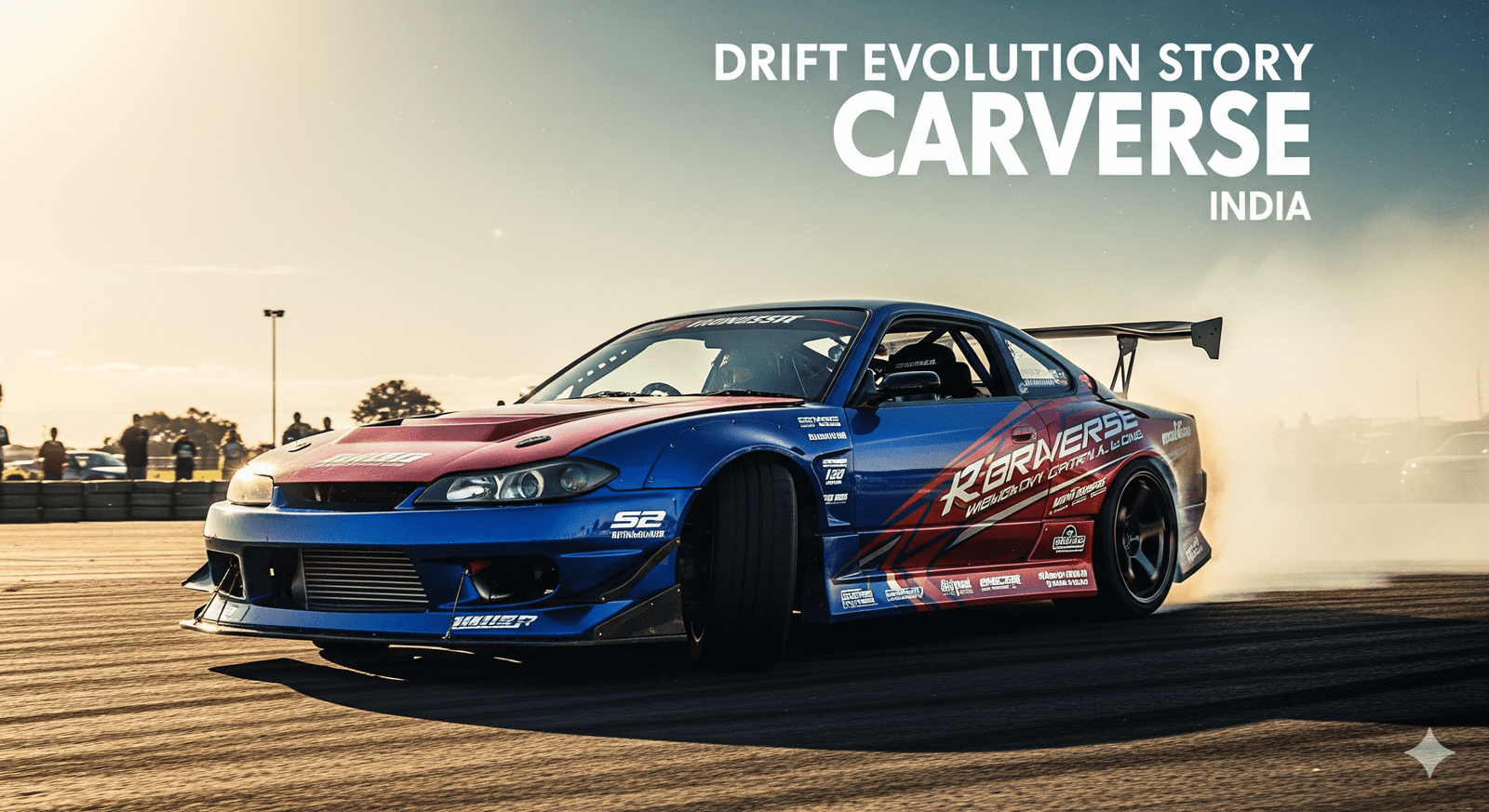
The History of Drifting and How It Took Over the World
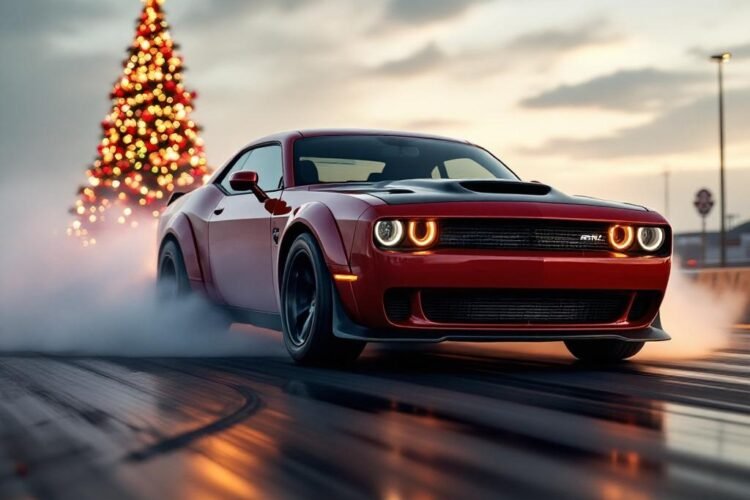
The air fills with smoke. Tires scream as a car dances sideways, barely holding onto the edge of control. This is drifting—a motorsport that’s more about style, precision, and artistry than just raw speed. What began on Japan’s narrow mountain passes has exploded into a worldwide cultural movement.
Let’s take a sneak peak onto how drift evolved!
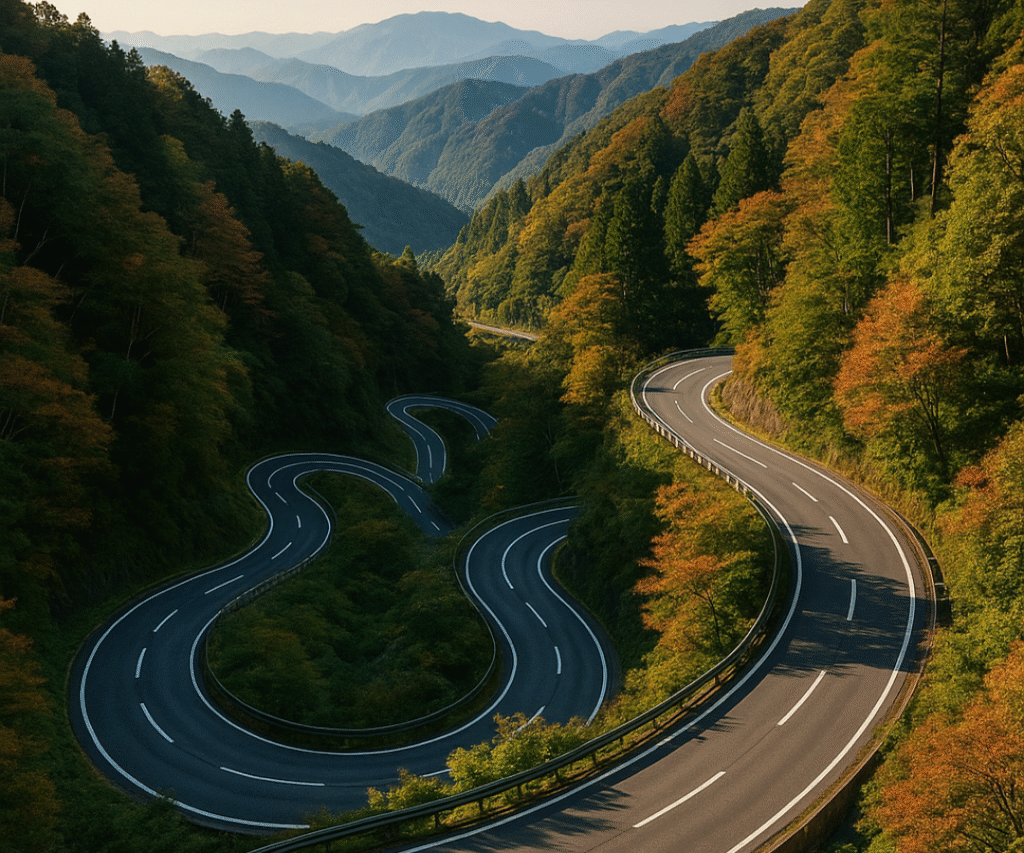
1. The Roots of Drifting – 'Touge' Roads of Japan
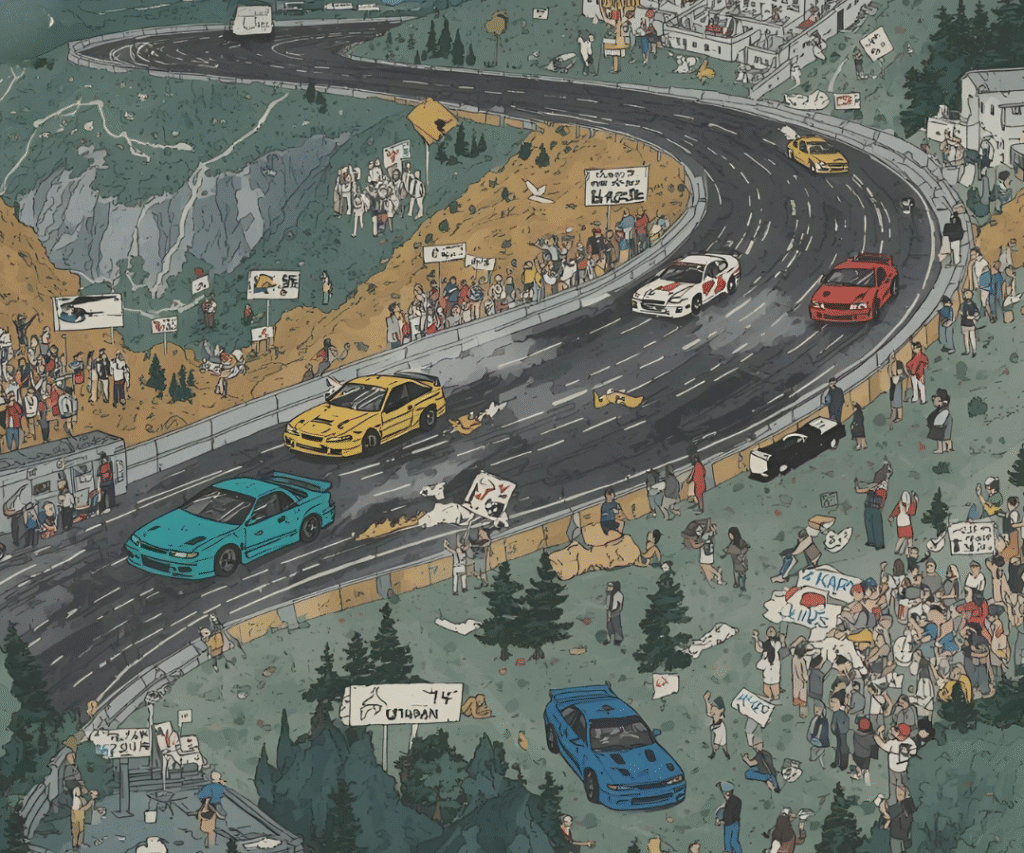
In the 1970s, Japan’s twisting touge (mountain roads) were both a challenge and a playground for racers. Drivers discovered that by intentionally oversteering, they could maintain speed through sharp bends while creating a dramatic, sideways spectacle.
This technique wasn’t just practical—it was mesmerizing. Crowds began to gather on roadsides, watching in awe as cars slid gracefully around corners.
2. The First Drift Icons – Takahashi & The Drift King
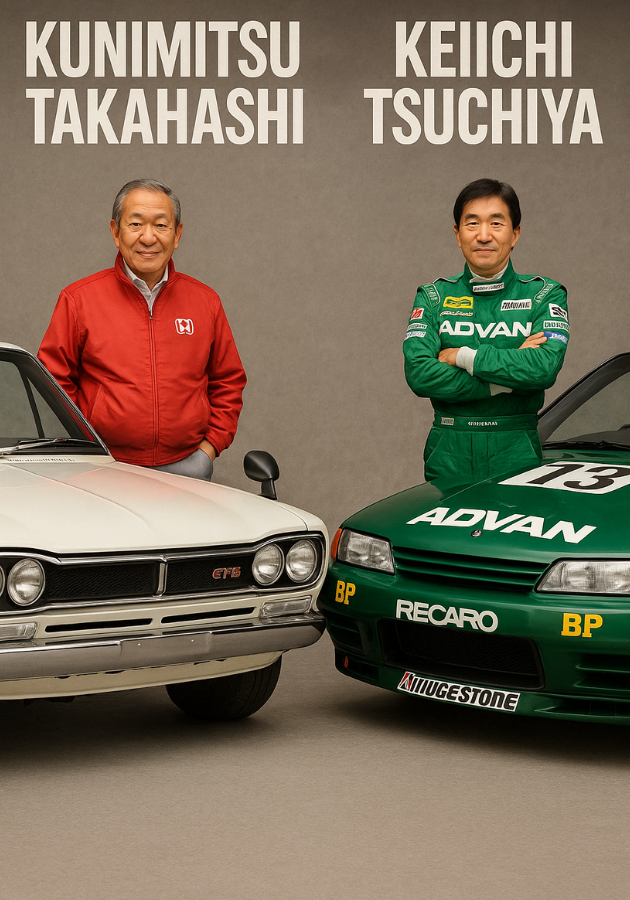
Kunimitsu Takahashi, a motorcycle racer turned car driver, was one of the first to use drifting in competitive racing.
Keiichi Tsuchiya, later crowned “The Drift King”, elevated drifting into an art form. His daring runs and viral video Pluspy (1987) inspired a new wave of drivers.
3. From Underground to Mainstream – The D1 Grand Prix
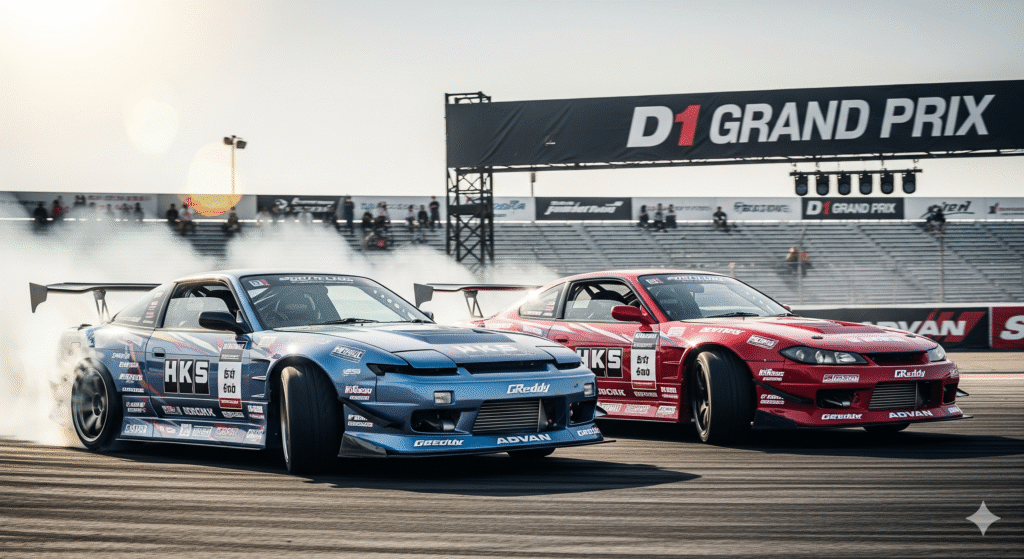
By the early 2000s, drifting had outgrown Japan’s backroads. The D1 Grand Prix (D1GP) was launched, bringing rules, judging systems, and professional recognition to the sport. Circuits like Ebisu became the mecca for drift fans worldwide.
4. Drifting Goes Global – Media, Music & Movies
Drifting’s global explosion came from pop culture:
- Anime & Manga: Initial D made the Toyota AE86 legendary and romanticized the drifting lifestyle.
- Movies: The Fast & the Furious: Tokyo Drift (2006) put drifting on Hollywood’s stage.
- Games: Series like Gran Turismo and Need for Speed let millions virtually experience drifting before trying it in real life.
5. The Cars That Made It Legendary
Some cars became icons of the drift movement and took it way ahead!
Nissan Silvia (S13/S14/S15) – the backbone of drift culture
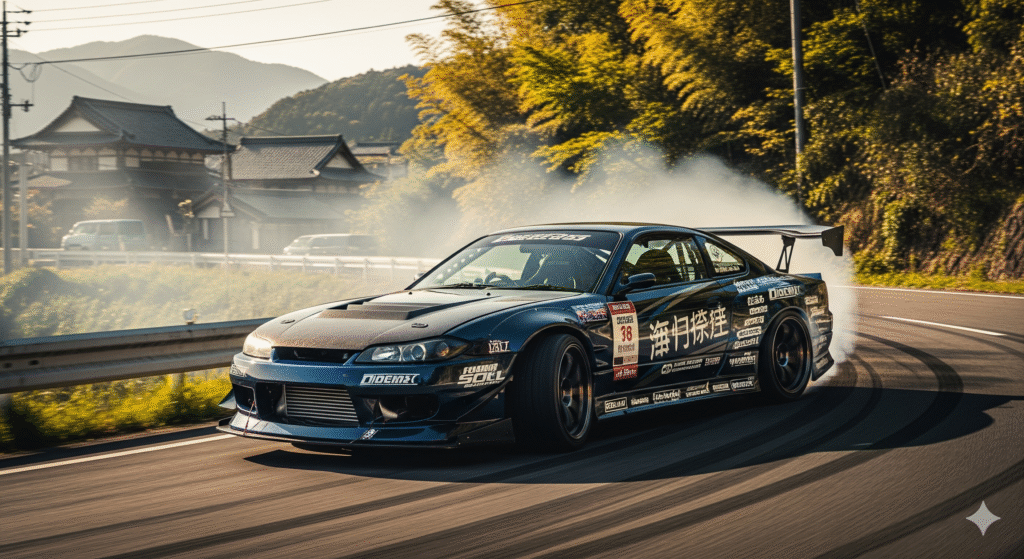
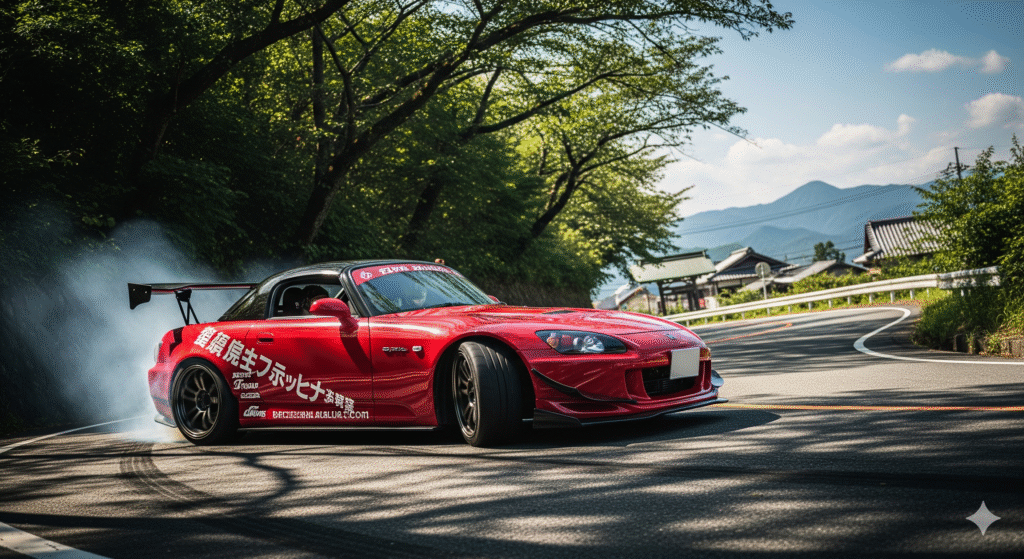
Honda S2000 - World's Best Handling Car
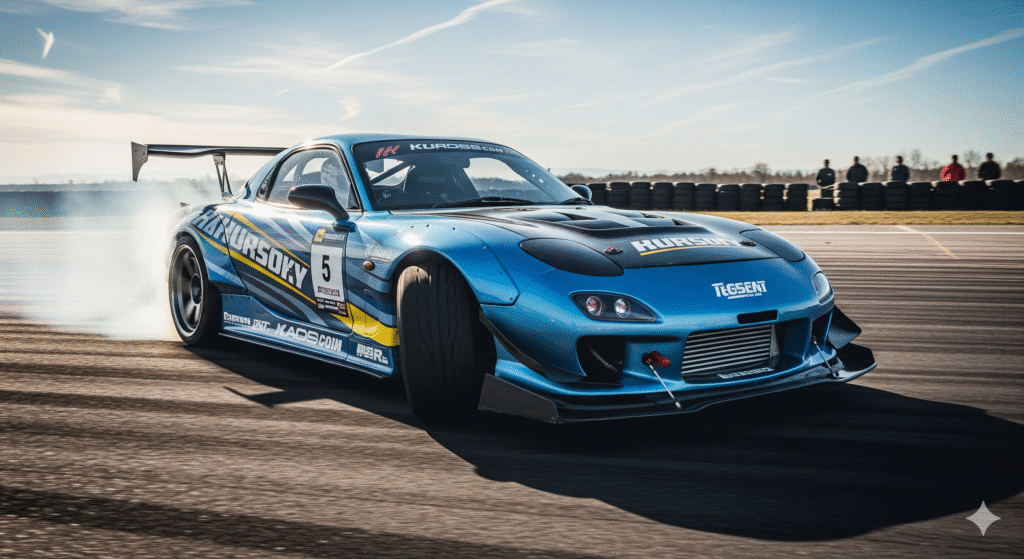
Mazda RX-7 – rotary power meets style.
Nissan Skyline R32/R33/R34 – turbocharged beasts.
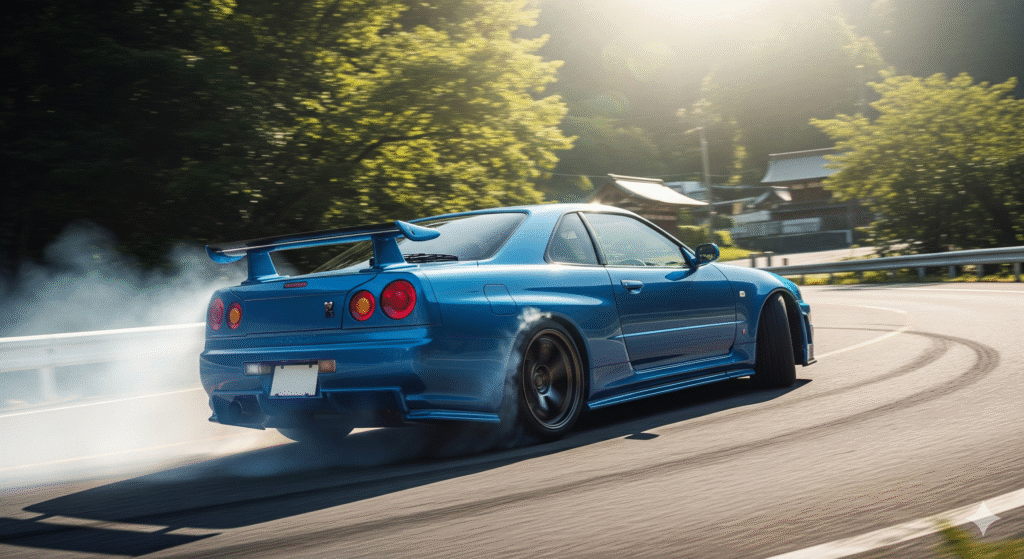
Of course, we can’t forget the legend—cars like the Toyota Supra, Toyota AE86, Mazda Miata, Nissan 370Z, Honda Civic etc. that owned the streets and shaped drifting as we know it.
These machines weren’t just cars—they were canvases for expression, modified and tuned by their owners to represent identity and unique taste.
6. Drifting Today – A Global Lifestyle
Today, drifting thrives on every continent. Formula Drift (USA), Drift Masters (Europe), and countless grassroots events fuel the movement. Online creators and sim-racers bring drifting to digital communities, while real-world events pack stadiums with fans.
It’s no longer just about racing—it’s about culture, community, and connection.
Conclusion
What started as an underground thrill on Japan’s mountain roads has become a global sensation. Drifting is proof that motorsport isn’t always about the fastest lap—it’s about the most unforgettable ride.

Passionate car enthusiast and content writer, bringing you the latest from the world of horsepower and high-octane. Falak Thakur combines a love for all things automotive with a talent for crafting compelling stories.